Scuba Diving or Snorkeling in Phu Quoc?
Editorial team · Checked 5 November 2026
In short
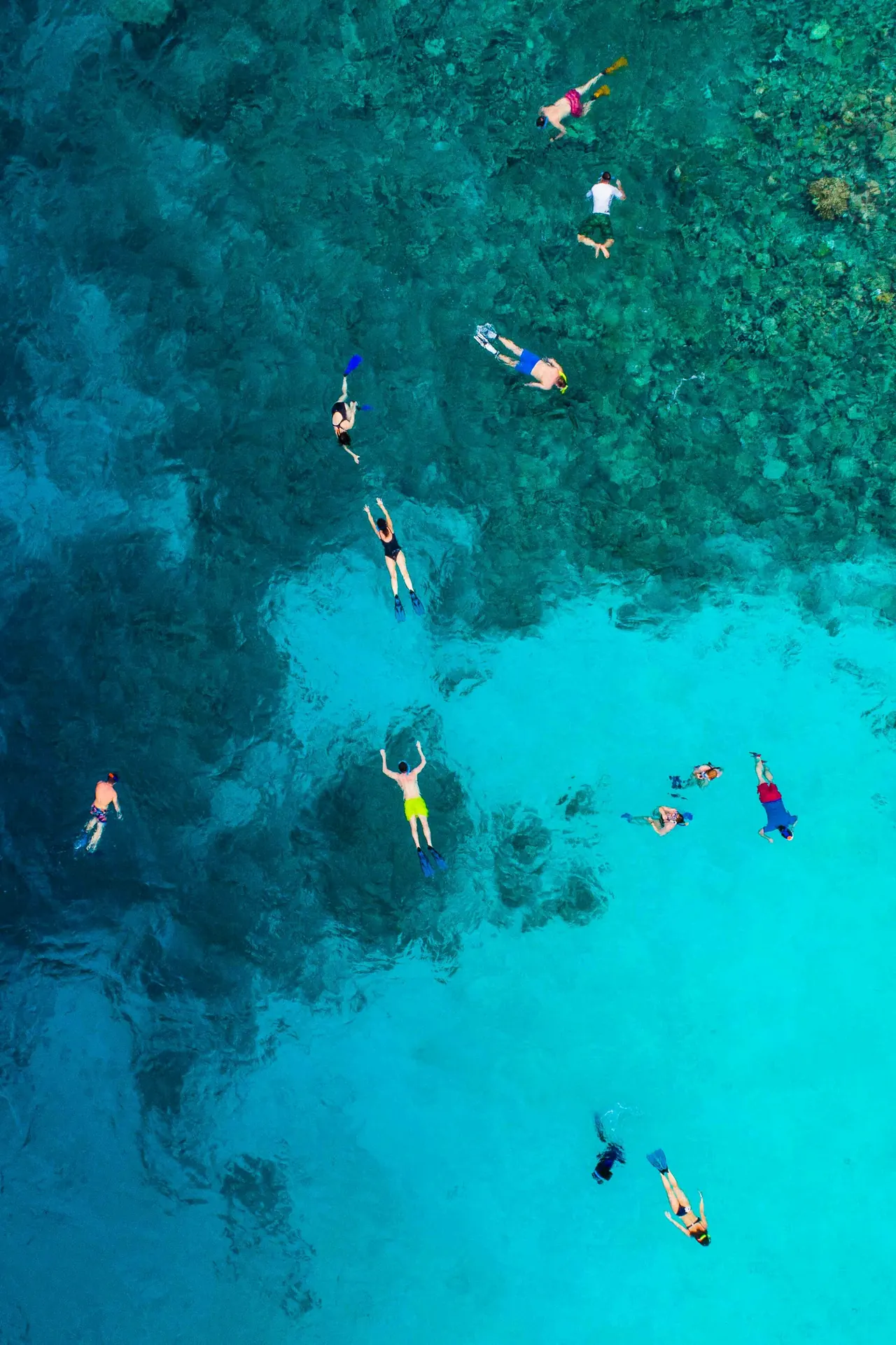
For most beginners, snorkeling is the easier choice, especially with a life jacket or fitted vest. Typical guide prices range from about USD 20 to USD 80, while scuba adds instructor training and deeper water.
For most beginners, snorkeling is the easier choice in Phu Quoc. It needs no prior experience, stays at the surface and can work for non-swimmers when a life jacket or fitted vest is provided. Scuba diving suits people who want full immersion and are comfortable following an instructor through a briefing, equipment check and descent.
What training does each activity require?
Snorkeling requires no formal training or previous experience. A local guide normally explains how to use the mask, snorkel and flotation equipment before you enter the water. You should still tell the guide if you are nervous or cannot swim, so the right vest or life jacket can be prepared.
Snorkeling is surface-only. The comparison depth is about 1 to 3 metres, although you can stay floating at the surface rather than swim down. This makes it easier to pause, adjust your mask or return to the boat when you need a break.
Beginner scuba diving has a more structured start. It typically requires a briefing or short introductory session with a certified instructor. You descend with a tank and follow the instructor underwater. The activity is designed for first-time divers, but it demands more attention because you must manage breathing equipment and equalise pressure as you descend.
Depth figures differ by operator and location. A comparison table lists beginner scuba at about 5 to 10 metres. A North Phu Quoc try-dive is described at 5 to 7 metres, while other descriptions give 5 to 12 metres. Ask for the planned depth and training format before booking.
How strong a swimmer do you need to be?
Snorkeling has the lower swimming demand, especially when a fitted vest or life jacket is included. It is recommended for beginners and families because you can remain at the surface. Non-swimmers should confirm the flotation arrangement in advance and stay close to the guide.
You do not need to swim underwater to snorkel. You do need to be able to enter the water, follow instructions and remain calm around the boat or at the stop. If you are unsure in open water, choose a sheltered and shallow location where the guide can explain the route clearly.
Scuba is different. You do not need to be an experienced swimmer, but you must be ready to enter the sea, wear the equipment and follow the certified instructor. Tell the local operator about any concerns before confirming. The instructor can explain the practical demands and the conditions expected on the day.
If you feel very nervous about both activities, sea walking is another option. It lets visitors see coral reefs and marine life without requiring swimming skills. Sessions typically last 20 to 30 minutes. At Phu Quoc’s Ocean World Coral Park, sea walking is described as showing more than 200 species of rare corals.
Which activity is better for seeing coral and fish?
Snorkeling is the most popular activity for seeing coral on Phu Quoc island. You view the reef from above, and clear water can give you a broad view of coral gardens and tropical fish. Snorkeling trips can show hundreds of tropical reef fish and other reef species.
Scuba puts you below the surface, so it offers a closer, more immersive view of the underwater setting. It is best suited to first-time divers who specifically want to descend with a tank and spend part of the trip underwater. It is not automatically better for every visitor, because visibility and marine life vary with the site and weather.
The An Thoi Archipelago, south of Phu Quoc, is described as having sheltered, shallow waters that are suitable for beginners. The An Thoi islands are also a place to discover diverse marine life. For a snorkeling-focused day, common choices include a 4 Island and 2 Reefs Snorkeling Tour by Speedboat or a small-group South Phu Quoc pro snorkeling trip.
How much time and money should you allow?
A snorkeling day tour usually runs from 8:30 AM to 4:30 PM. You may spend about 45 to 60 minutes in the water at each stop, with time between stops and other parts of the trip. The full day is useful if you want to visit several reef areas rather than make one short swim.
Beginner scuba duration varies by operator because the briefing, equipment preparation, boat journey and underwater session are not identical. Ask how long you will be underwater and how much time the full activity takes. Do not compare only the time in the water with the length of a snorkeling day tour.
As a guide checked on 5 November 2026, the comparison range is about USD 20 to USD 80 per person. One listed operator shows snorkeling at about USD 20 per person, while one listed operator shows scuba diving at about USD 80 per person. These are guide figures, not a fixed island-wide rate. Confirm the exact price and inclusions on WhatsApp before you pay.
| Point | Snorkeling | Beginner scuba diving |
|---|---|---|
| Training | Basic equipment and safety briefing | Briefing or short introductory session with a certified instructor |
| Swimming demand | Surface activity, suitable for non-swimmers with a life jacket or fitted vest | Must follow the instructor while using a tank |
| Typical comparison depth | About 1 to 3 metres | About 5 to 10 metres, with operator differences |
| Marine-life view | Coral and fish from above | Full immersion and a closer underwater view |
| Typical format | Day tour from 8:30 AM to 4:30 PM, about 45 to 60 minutes in the water at each stop | Duration varies by operator |
| Guide price checked 5 November 2026 | About USD 20 per person from one listed operator | About USD 80 per person from one listed operator |
Which choice is best for nervous beginners?
Snorkeling is the safer practical choice for most nervous beginners because it has less equipment, no introductory scuba session and no required descent. You can remain at the surface, use flotation support and decide how far into the activity you feel comfortable going.
Choose a sheltered, shallow area in the An Thoi Archipelago when conditions allow. Calm water can make it easier to put on the mask, practise breathing through the snorkel and look down at the reef without feeling rushed.
Scuba may still be right if your main concern is missing the underwater experience. The instructor stays with beginners during the descent and explains the process before entering the water. Ask how the instructor handles a participant who feels uncomfortable, and confirm the planned depth and group arrangement on WhatsApp.
For families with mixed confidence levels, snorkeling is generally easier to organise. Confident participants can look below the surface while less confident swimmers stay with flotation support. If someone does not want to swim, sea walking may provide a separate way to see reef life.
Does the season change visibility and comfort?
Phu Quoc’s water is warm year-round, with temperatures described at 26 to 30 °C. Water temperature is therefore not the main seasonal difference for most visitors. Sea state, wind and visibility matter more when choosing between southern and northern locations.
From November to April, snorkeling is usually easiest because the southern sea is calmer and clearer. These conditions can help beginners see coral and fish from the surface and feel more settled in the water. Scuba visibility can also benefit from calmer conditions, but the exact site still matters.
From May to October, the southwest monsoon often makes the sea around southern Phu Quoc rough and murky. Local operators commonly prefer sheltered north-island spots for snorkeling during this period. Ask which side of the island is suitable on your date instead of assuming the same reef trip runs in the same conditions all year.
No season guarantees clear water every day. Wind, rain and recent sea conditions can affect what you see. Message us on WhatsApp for the current recommended area, the swimming support available and the exact activity format.
What should you book next?
Choose snorkeling if you want the simplest first experience, need flotation support or mainly want to see coral and tropical fish. Read Snorkeling in Phu Quoc: Prices and Options for the main trip formats.
Choose scuba if full immersion is more important than a simple surface activity. See Beginner Scuba Diving in Phu Quoc: Prices for the beginner format and booking details.
We arrange activities with local partners and confirm the exact price, meeting details, equipment and conditions in the chat before you pay. Message us on WhatsApp with your date, swimming ability and preferred area.
Guide price, not an offer. Checked: 5 November 2026.
Frequently asked questions
Is snorkeling or scuba diving better for a beginner in Phu Quoc?
Can a non-swimmer go snorkeling in Phu Quoc?
How deep do beginner scuba dives go in Phu Quoc?
Which activity shows more marine life, snorkeling or scuba diving?
How much do snorkeling and scuba diving cost in Phu Quoc?
Which season is best for beginner snorkeling or diving?
Read next
-
 Services
Snorkeling in Phu Quoc: Prices and Options
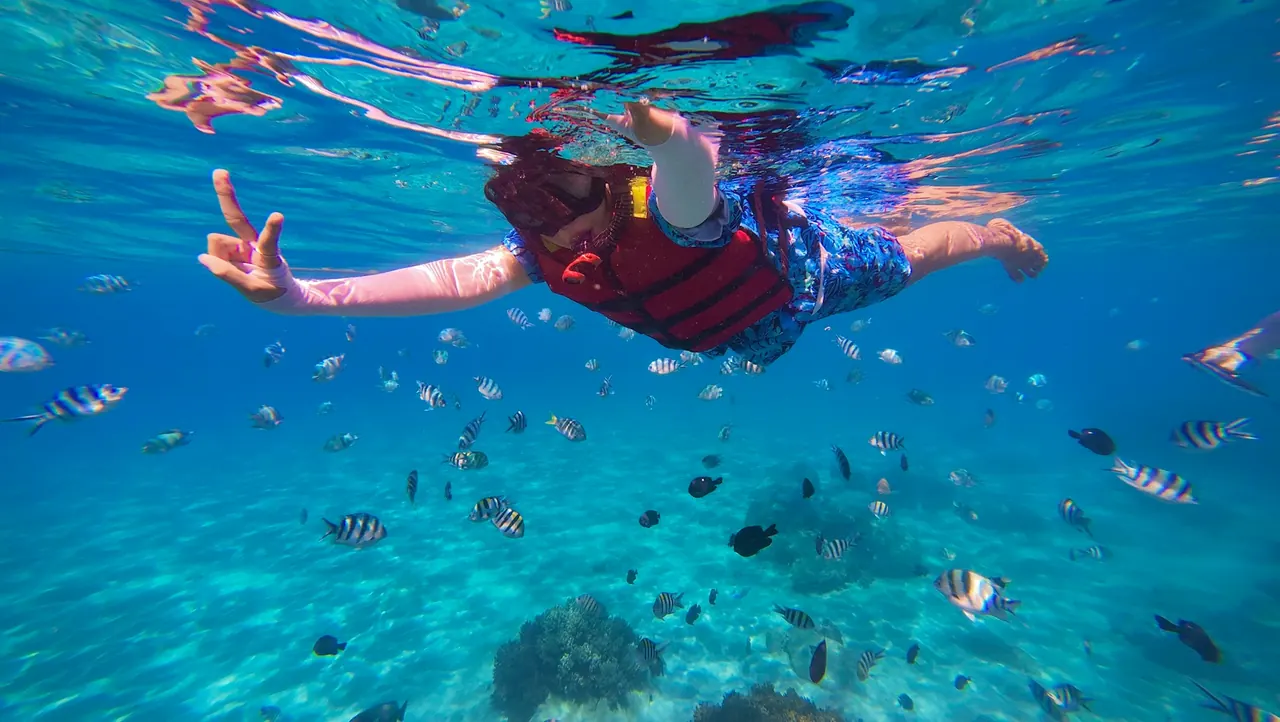
Snorkeling day tours on Phu Quoc are listed at about VND 1,150,000 to 1,400,000 per person, a guide range checked on 5 November 2026. A typical south island trip lasts about 5 hours.
Read → -
 Services
Beginner Scuba Diving in Phu Quoc: Prices
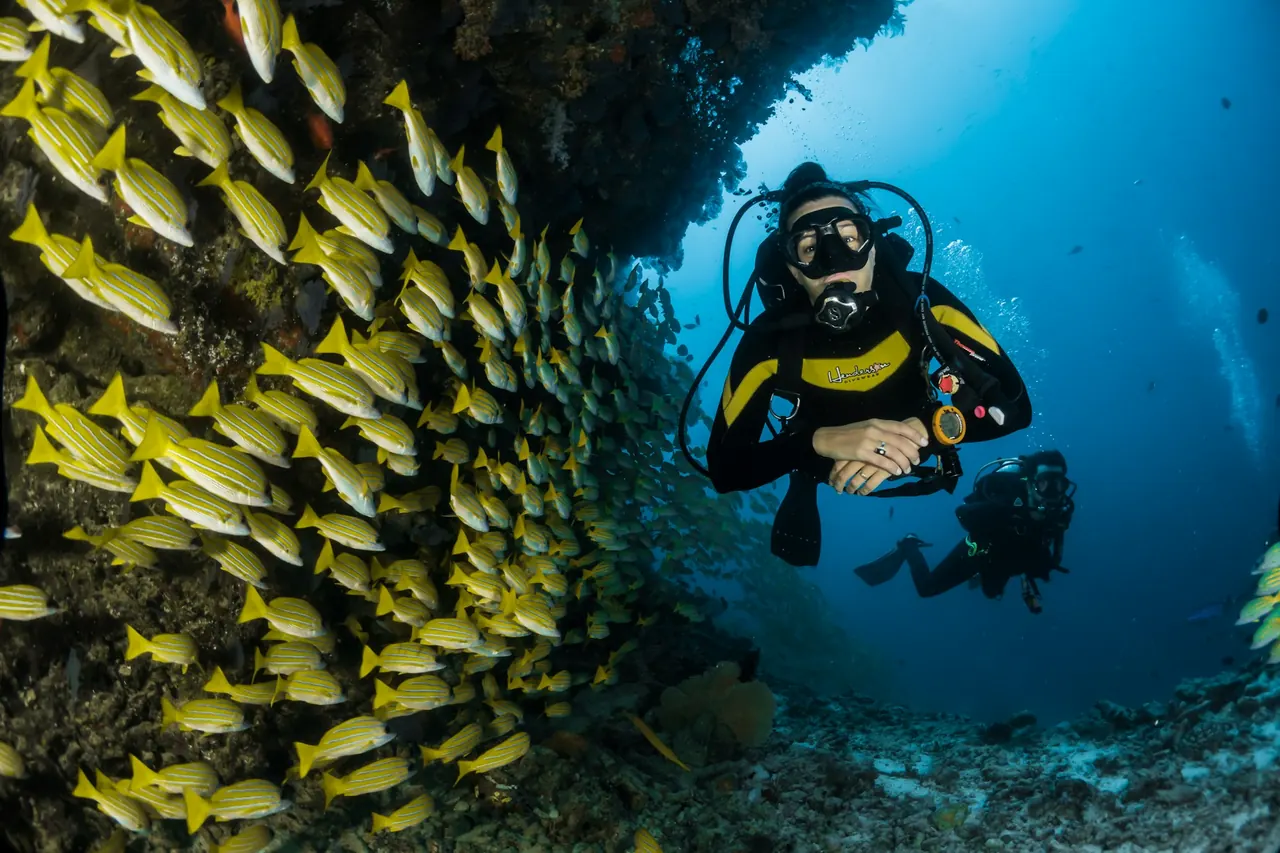
Beginner scuba dives on Phu Quoc are listed at about USD 85 to 110 per person, a guide range checked on 5 November 2026. Expect two short dives with an instructor and a trip of 6 to 7 hours.
Read →