Kayaking or SUP Around Ong Lang: Which Is Better?
Editorial team · Checked 5 November 2026
In short
Choose a kayak for easier balance, more relaxed effort and better control near shore. Choose SUP for a quiet workout on very calm early mornings. Kayak rental is about USD 4 to 8 per hour.
For most first-time visitors around Ong Lang, choose a kayak for easier balance, lower physical effort and better control near shore. Choose SUP if you want a more active balance workout and the sea is very calm. Ong Lang’s sandy entry suits beginners, but SUP needs stricter weather conditions than kayaking.
Which is easier to balance?
A kayak is the steadier choice for most beginners because you sit inside or on the boat with a low centre of balance. You can focus on paddling, turning and looking around without standing. This also makes a kayak a calmer option for anyone who feels nervous about falling into the water.
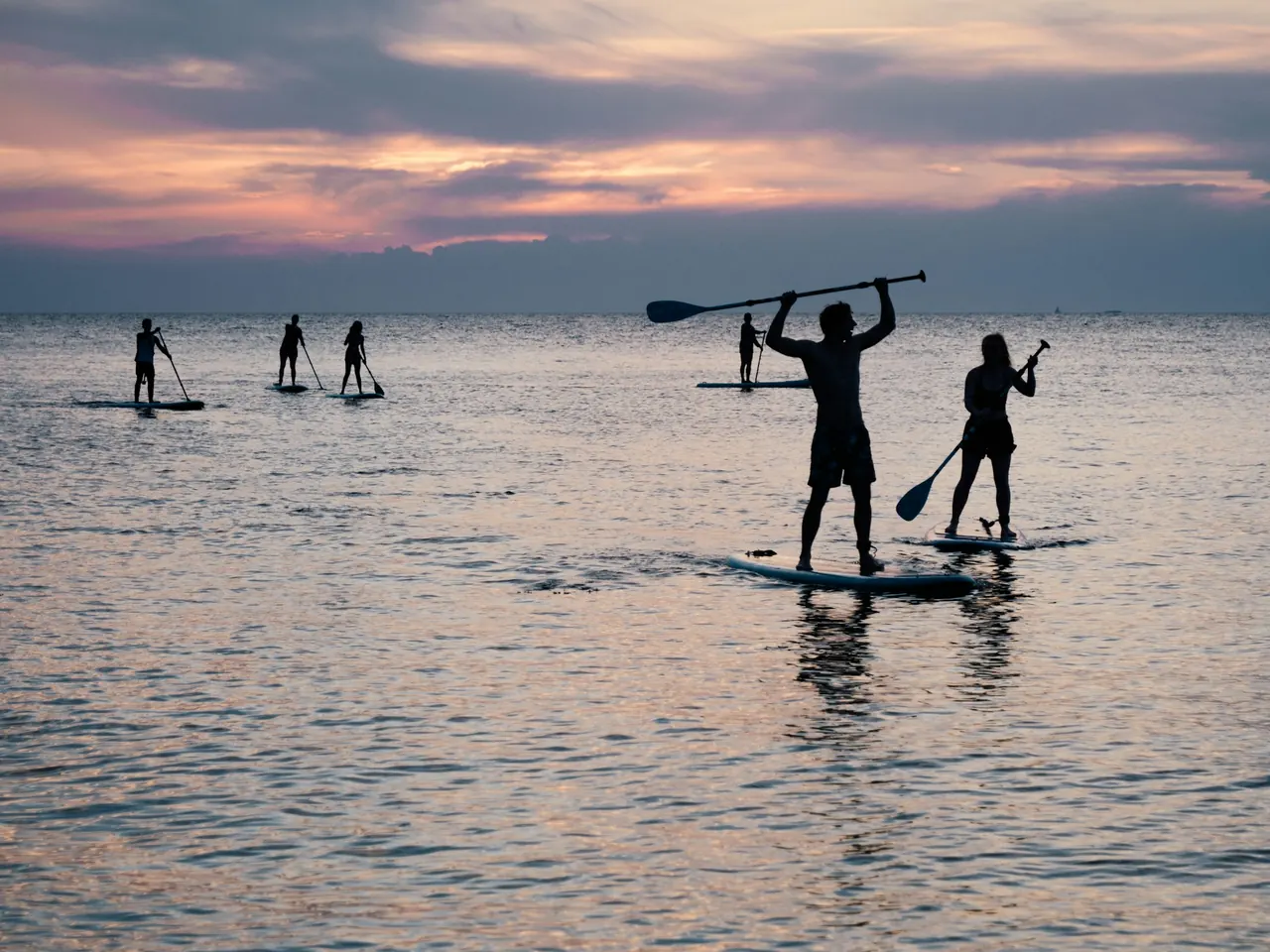
A SUP is less stable at first because you paddle while standing on a narrow board. Many beginners start by kneeling or sitting, then stand when the board feels steady. Balance improves with practice, but wind, boat wakes and small waves can make the first attempt harder.
Ong Lang Beach is a useful place to learn because the entry has a gentle slope and sand. That makes getting on and off a board simpler than at a rocky shoreline. Some rocky sections are less suitable for kayaking because launching and landing can be more difficult.
| Question | Kayak | SUP |
|---|---|---|
| Balance | Easier for most beginners | More demanding while standing |
| Body position | Seated | Standing, kneeling or sitting |
| Physical effort | Relaxed paddling, with upper-body work | Paddling plus balance and core effort |
| Best setting | Calm water close to shore | Very calm water, preferably early morning |
| First choice for a non-swimmer | Usually the better option | Consider only with suitable support and calm conditions |
Which needs more physical effort?
A kayak usually needs less balance and feels less tiring for a casual outing. You still use your arms, shoulders and upper body to paddle, especially against wind or current. The seated position lets you pause more easily and keep the boat pointed towards shore.
SUP adds balance and core control to the paddling. Standing requires constant small movements through your legs and body. It can feel like a light workout even when the water is calm. The effort rises quickly if you are correcting the board in wind or trying to paddle against chop.
Neither activity has to be a hard workout. You can paddle slowly and stay near the beach. For a relaxed sightseeing trip, a kayak is normally the simpler choice. For movement, balance practice and a more active session, SUP offers more physical involvement.
Local water-sports guides commonly describe kayaking and paddleboarding as among the easiest water activities on Phu Quoc. That does not mean the equipment handles every condition. Your choice still depends on the sea state, your balance and how comfortable you feel in the water.
What should beginners learn first?
A kayak has the shorter learning curve for most visitors. Learn how to hold the paddle, move forwards, turn and stop. Practise close to the beach before going farther out. A local operator can show you the launch and basic handling before you start.
SUP has a simple beach entry at Ong Lang, but the standing technique takes longer to feel natural. Start on your knees, keep the paddle across the board for support and stand only when the water and board feel steady. If you fall, return to a kneeling position before trying again.
Ask for a board or kayak that suits your height, strength and experience. Equipment can differ between beachfront locations. We can arrange a local booking and confirm the available equipment and current conditions on WhatsApp before you pay.
For a first water activity, do not choose based only on how easy it looks from the beach. Ask where you will launch, how far from shore you may go, what support is provided and how the activity changes if wind increases.
How do wind and sea conditions change the choice?
SUP at Ong Lang should be reserved for very calm sea days during the dry season. Early morning is the best practical time because the sea is often calmer then. If wind is already moving across the beach, a beginner may find it difficult to keep a straight course or stand comfortably.
Kayaking is more forgiving, but it should still be done in calm weather. Stay close to shore when tides rise in the late afternoon. Calm, shallow water at Ong Lang is suitable for novice and experienced kayakers, but conditions can change during the day.
Ong Lang is generally associated with a quieter beach setting than Long Beach. Even so, a quiet beach does not mean the sea is always flat. Check the water before launching rather than relying only on the season or the previous day’s weather.
Season descriptions differ slightly in local guidance. The dry-season period is described as running from November to April in one recommendation and from October to March in another. The practical point is the same: plan SUP for a calm dry-season morning, and postpone it if wind or waves build.
Which gives better scenery and wildlife chances?
Kayaking around Ong Lang gives open sea views and a low viewpoint close to the water. It suits travellers who want to look along the coastline, watch the beach and paddle at an easy pace. A kayak also gives you more direct control when turning towards shore.
SUP gives a higher viewpoint while standing, so it can feel more open and active. You can look across the water without a kayak frame around you. The board is most enjoyable when the surface is smooth enough to stand and pause comfortably.
The Cua Can River offers a different scenery choice. Its peaceful waterways pass through mangrove and paperbark forests, unlike the open sea views at Ong Lang. Choose the river if forest scenery and a quieter inland route matter more to you than a beach horizon.
Neither activity guarantees wildlife sightings. Around Ong Lang, the main difference is the setting you explore: open coastal water by kayak or SUP, and mangrove and paperbark waterways by kayak on the Cua Can River. Keep noise low and do not approach animals if you see them.
Is kayaking better for a non-swimmer?
A kayak is normally the more sensible choice for a non-swimmer because you remain seated and have less balance work. Choose calm weather, stay close to shore and tell the local operator about your swimming ability before the activity begins.
Do not treat Ong Lang’s shallow water as a guarantee that a non-swimmer can go alone. Depth, tide, wind and distance from shore still matter. Ask what flotation equipment is supplied, where the activity stays and what assistance is available.
SUP is a less comfortable option for someone who cannot swim because standing increases the chance of losing balance. A confident beginner may prefer to kneel on the board, but this does not remove the need to confirm the operator’s safety arrangements and current conditions.
Operators and local sources may have their own rules for participants and flotation equipment. Confirm the current rule on WhatsApp or on the beach. We arrange activities with local partners and confirm the exact details before you pay.
What does a kayak outing cost around Ong Lang?
As a guide checked on 5 November 2026, kayak rental is about USD 4 to 8 per hour. Figures differ by operator and location, so use this as a planning range rather than a guaranteed beach price. Ask on WhatsApp for the current equipment, launch point, availability and exact price.
Kayaking and SUP are both available at Ong Lang Beach through some beachfront resorts, but availability can change. A local operator may offer a different launch point or equipment type. Confirm the arrangement before travelling to the beach, especially if you need a kayak suitable for a non-swimmer or beginner.
What should you choose today?
Choose a kayak if stability, easy learning and open sea views are your priorities. It is also the better starting point for a non-swimmer, provided the weather is calm and you stay close to shore.
Choose SUP if you want more balance work and a higher viewpoint. Go early, use the sandy entry at Ong Lang and wait for a very calm sea day during the dry season.
For equipment details, launch spots and current booking guidance, read our SUP rental guide. If you prefer help on the water, see the guided kayak tour guide. For planning by month, use the guide to Phu Quoc water-sports seasons. We can also arrange a local booking and confirm the current details on WhatsApp.
Guide price, not an offer. Checked: 5 November 2026.
Frequently asked questions
Is kayaking or SUP easier for beginners around Ong Lang?
Which is more stable, a kayak or SUP?
Is Ong Lang suitable for a non-swimmer?
Is SUP available at Ong Lang Beach?
Which gives better scenery, kayaking or SUP?
How much does kayak rental cost around Ong Lang?
Read next
-
 Services
SUP Rental in Phu Quoc: Prices and Launch Spots
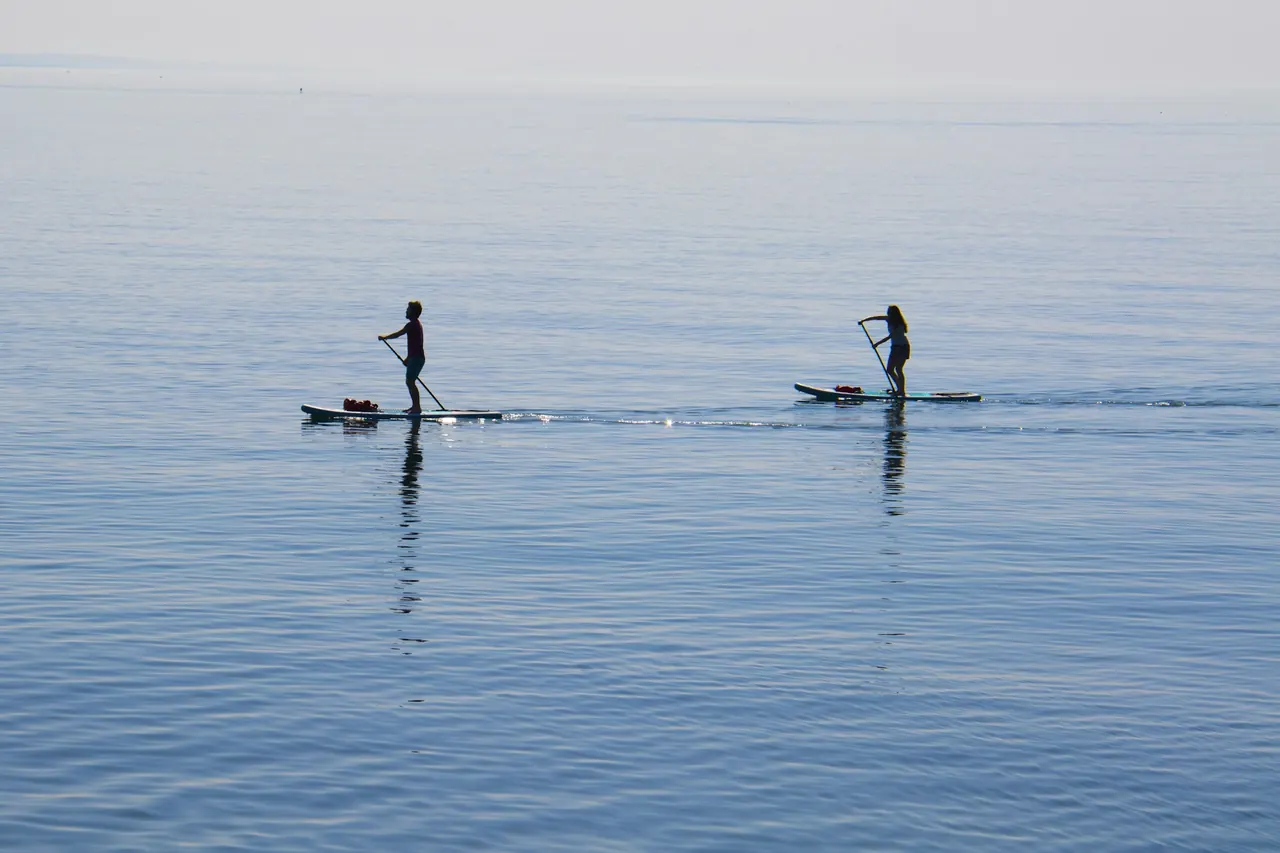
SUP boards on Phu Quoc are listed at about USD 6 to 10 per hour (VND 150,000 to 250,000), a guide range checked on 5 November 2026. Go early on a calm bay such as Long Beach, Ong Lang or Bai Sao.
Read → -
 Services
Guided Kayak Tours in Phu Quoc: Prices
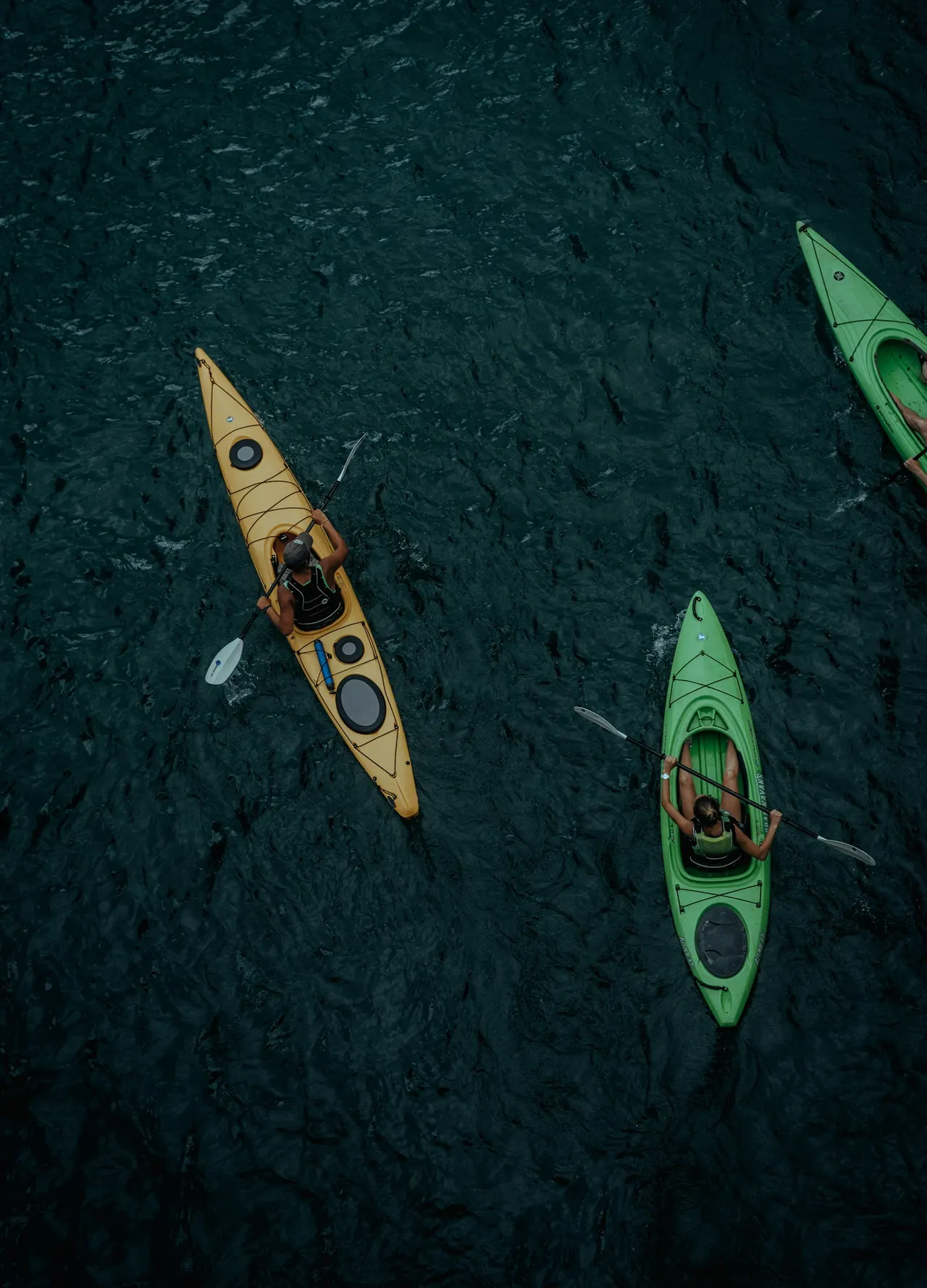
Guided kayak tours on Phu Quoc are listed at about USD 71 to 82 per person, a guide range checked on 5 November 2026. Ask each quote what the price covers, including the guide, transfers and meals.
Read → -
 Guides
Best Time for Phu Quoc Water Sports
February is the best month overall. Choose November to April, especially February through mid-March, and go in the morning for calmer water. Avoid July to September for calm-water trips.
Read →