Kayaking and Accessible Water Sports in Phu Quoc
Editorial team · Checked 5 November 2026
In short
Cua Can River kayaking can suit grandparents who can manage light activity, while parasailing and snorkeling need more physical access. Ask about transfers, boarding, stairs, sea conditions and assistance before booking.
Kayaking on Phu Quoc can work well for grandparents and mixed-age families when the group chooses gentle water, private guidance and a clear non-paddling option. The Cua Can River is suited to beginners, but kayaking still needs balance, movement and a safe transfer into the boat. Parasailing and snorkeling require more careful checks because access depends on stairs, beach surfaces, boat ladders and physical mobility.
Is kayaking gentle enough for grandparents?
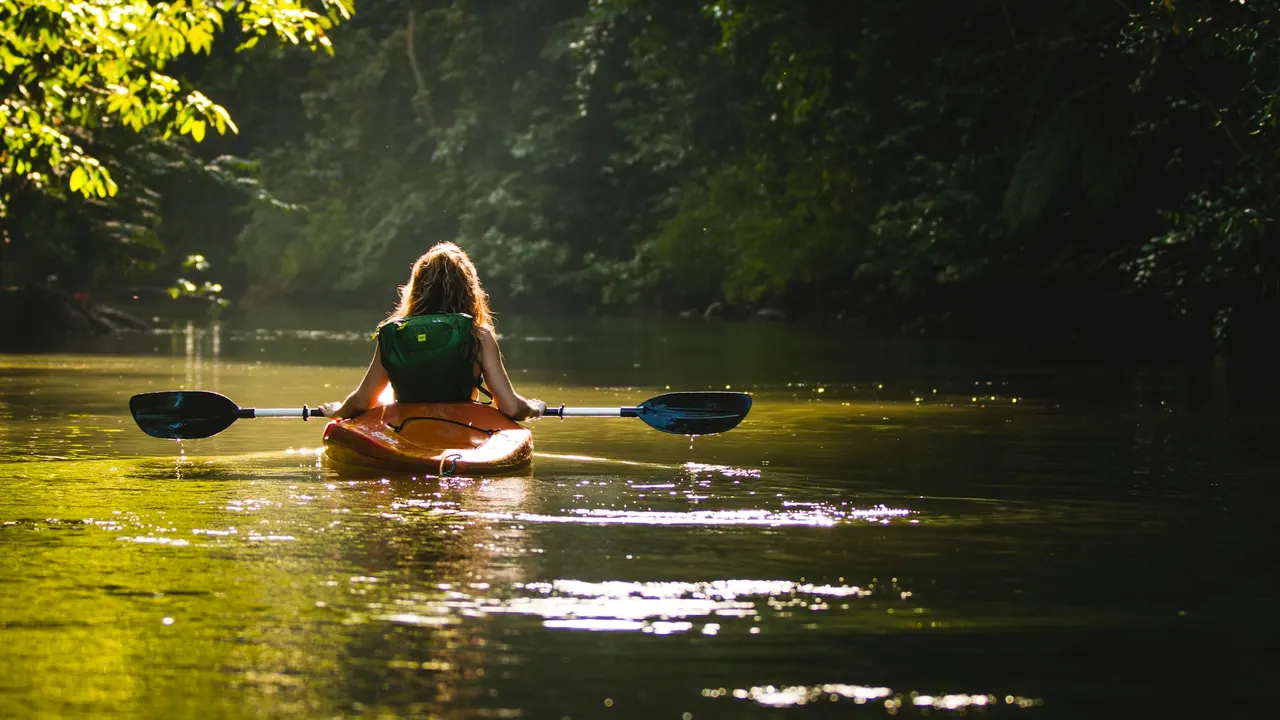
Yes, the Cua Can River is one of the gentler choices for a family group. Its water is described as calm and suitable for beginners or travellers who want a quiet paddle. A full-day river trip is generally suitable for children and elderly participants, but the group should still consider mobility and the physical nature of kayaking.
Kayaking is not completely passive. A grandparent may need to:
- Walk from the vehicle to the launch point
- Step into or out of a low boat
- Sit for the paddling period
- Keep balance while the boat moves
- Manage a paddle and follow safety instructions
A private trip gives the guide more flexibility to slow the pace, keep the group together and change the plan if someone becomes tired. Some private Cua Can River tours also offer motorboat transport for people who prefer not to paddle. Confirm this option before booking, rather than assuming it will be available on the day.
The river tour may include more than kayaking. One listed private itinerary lasts 5 to 6 hours and combines the river, lunch at a riverside restaurant, free time at Bai Dai and Ganh Dau beaches, and a visit to Phu Quoc National Park. A family group should ask how much walking is involved between these stops. A gentle rainforest hike is described as suitable for all fitness levels, but “suitable” does not mean step-free.
Which water activity is easiest to arrange for mixed mobility?
For many families, a guided river trip is easier to adapt than an open-water activity. The guide can explain each movement, monitor the pace and discuss a motorboat alternative. Parasailing and snorkeling can still be possible, but the launch and transfer details matter as much as the activity itself.
| Activity | Main access issue | Better questions to ask |
|---|---|---|
| Cua Can River kayaking | Low boat entry, balance and paddling effort | Can a guest use motorboat transport? How far is the launch point? |
| Parasailing | Steps, boat transfer, harness fitting and physical mobility | Is there a lift, steadying help or a seated transfer? |
| Snorkeling | Beach access, boat ladders and water entry | Can staff help with boarding and provide flotation support? |
| Cable car and beach visit | Some areas are level and accessible, but selected paths have stairs | Which route avoids stairs, and how close can the vehicle stop? |
The cable car to Hon Thom is reported to have level boarding and wide doors, which can help wheelchair and stroller users. Most central areas are also described as accessible. However, some beach paths and water slide platforms require stairs. Treat the cable car as one part of the day’s access plan, not proof that every beach activity is step-free.
Is parasailing accessible in Phu Quoc?
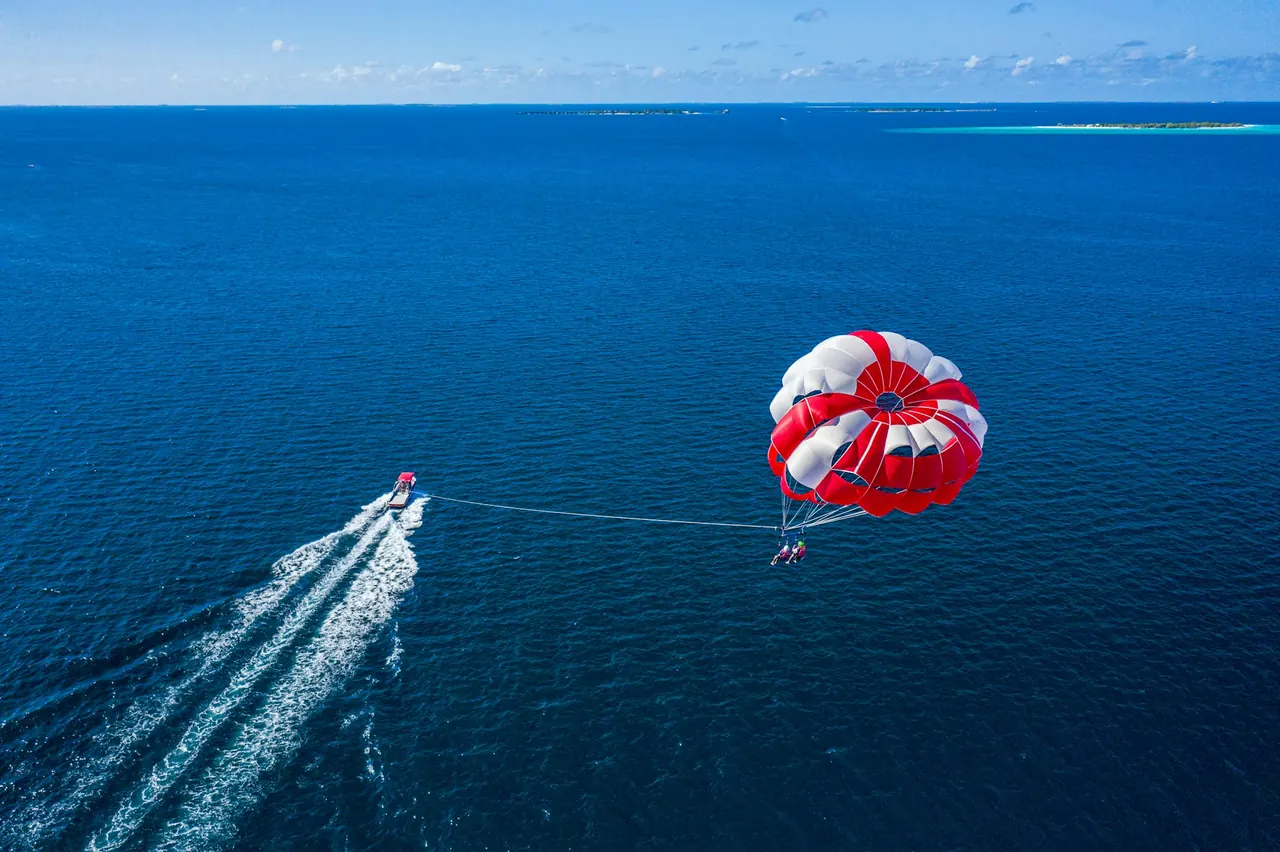
Sometimes, but families should treat parasailing as an activity requiring physical mobility unless the local operator confirms a specific arrangement. Parasailing is available at Bai Trao Beach, and Long Beach near Duong Dong is a main hub for jet skis and parasailing. The exact boarding method can differ between beaches, boats and weather conditions.
Ask these questions before booking:
- Does the participant climb stairs from the beach or pier?
- Is the transfer from shore to boat by walking, a small craft or another method?
- Can staff steady the guest during boarding?
- Can the guest sit upright and tolerate a harness?
- Is lifting assistance available, and how many staff members help?
- Can a wheelchair or walking aid stay safely on shore?
- What happens if the guest cannot complete the boat transfer?
An island-and-parasailing combination may report wheelchair accessibility, but this needs clarification. Wheelchair-friendly transport does not always mean that the parasailing launch, harness transfer or boat is accessible. Send the guest’s mobility details on WhatsApp and ask for a written confirmation of the full route.
Do not rely only on the word “accessible”. Ask if the guest can remain seated during the transfer, whether there are steps, and what assistance is physically available. Operators and local sources report basic access requirements for water sports, so confirm the current arrangement on WhatsApp or at the beach before paying.
Can guests with limited mobility go snorkeling?
Snorkeling is usually more difficult to arrange than a gentle river paddle because the activity often starts with a beach or boat transfer and ends in the water. The southern snorkeling area around An Thoi is most dependable in the dry season. From December through April, the water is described as flat and clear. From May through September, the same sites can become marginal, with visibility dropping to 2 to 4 meters.
Coral can be found at depths of 3 to 8 meters. That means the group may need to float or swim away from the beach rather than simply stand in shallow water. A guest who cannot swim, climb a boat ladder or move through surf may need a different plan.
Ask the operator:
- Is the snorkeling boat suitable for a wheelchair user or slow walker?
- How many steps are on the boarding ladder?
- Can staff help with a seated transfer?
- Is there a stable flotation device?
- Can a companion stay close in the water?
- Is there a dry alternative if the guest cannot enter the sea?
- Can the group visit a beach, viewpoint or island facility instead?
Wheelchair access to transport or an island facility is helpful, but it does not guarantee safe water entry. Ask for details about the boat, ladder, transfer and flotation equipment. Families should also request a weather check, especially outside the calmer dry-season period.
How can a family make boarding and transfers safer?
Start with the hardest movement, not the most attractive itinerary. Tell the local partner if anyone uses a wheelchair, walking frame, cane or regular rest breaks. Explain whether the guest can walk on sand, climb steps, stand briefly, sit low and transfer with help. These details allow the trip plan to match the person’s real ability.
Confirm each stage:
- Vehicle to beach, pier or launch point
- Path surface, including sand, uneven ground or stairs
- Beach or pier to boat
- Seating position during the trip
- Boat exit at every stop
- Return transfer if the guest becomes tired
Ask who provides assistance. “Help available” can mean verbal directions, a steadying hand or a full physical transfer, and those are not the same. Ask if a family member must assist, or if trained staff are present. Also ask where mobility equipment stays during the activity and whether it can remain dry and secure.
If the group includes grandparents and children, a private itinerary can reduce pressure. One family does not need to choose the most active option for everyone. A grandparent can use motorboat transport while others paddle, or the group can select a river and beach plan with fewer demanding transfers.
What should families ask before booking?
Use this checklist in WhatsApp and request clear answers before confirming:
- Which activity is recommended for the least mobile guest?
- How much walking is involved?
- Are there steps from the vehicle to the launch point?
- How does boarding work?
- Can staff provide steadying or transfer assistance?
- Is a motorboat available instead of kayaking?
- Can a companion travel with the guest?
- Are wheelchairs, canes or walking aids stored safely?
- What flotation equipment is provided for snorkeling?
- Can the guest remain seated during a parasailing transfer?
- What is the alternative if the guest cannot enter the water?
- What happens if the sea is rough or visibility is poor?
- Which parts of the itinerary are optional?
- What is the exact meeting point and return plan?
- What is the current price for the date and group?
The price depends on the date and local operator. We confirm the exact price on WhatsApp before you pay. Share the group’s ages, mobility needs and preferred activity in the first message, rather than asking only for a general tour name.
What to do next
For a river-based family plan, read the guide to Guided Kayak Tours in Phu Quoc. For launch access, harness transfers and booking questions, see Parasailing in Phu Quoc.
Then message us on WhatsApp with the date, group size, mobility details and activities you are considering. We arrange trips with local partners and confirm the exact access plan and price in the chat before you pay.
Frequently asked questions
Is kayaking in Phu Quoc suitable for grandparents?
Can someone with limited mobility join a parasailing trip?
Can wheelchair users join snorkeling trips in Phu Quoc?
Can a non-paddler join a Cua Can River kayak tour?
What should families ask about boarding assistance?
When are kayaking and snorkeling conditions easiest?
Read next
-
 Services
Guided Kayak Tours in Phu Quoc: Prices
Guided kayak tours on Phu Quoc are listed at about USD 71 to 82 per person, a guide range checked on 5 November 2026. Ask each quote what the price covers, including the guide, transfers and meals.
Read → -
 Services
Parasailing in Phu Quoc: Prices and Booking
Parasailing in Phu Quoc is listed at about USD 31 to 55 per person (guide range checked on 5 November 2026), with flights of 10 to 15 minutes. Message us on WhatsApp for an exact quote.
Read →