Banana Boat Rides in Choppy Seas Safety Guide
Editorial team · Checked 5 November 2026
In short
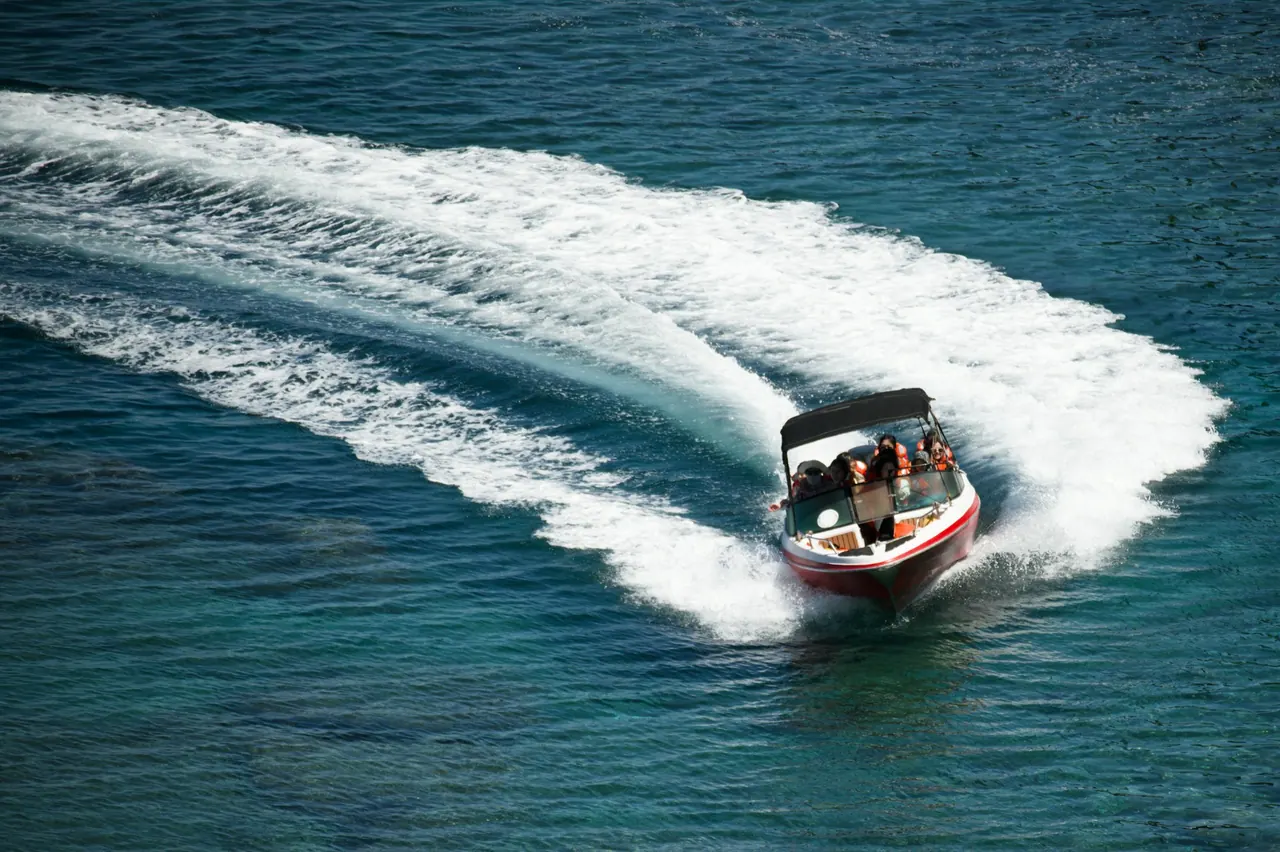
Choppy water is a reason to postpone, not to push ahead. Choose a calm, protected area, check every life jacket and accept a cancellation without pressure.
Banana boat rides can be safe in calm, protected water with a careful operator, properly fitted life jackets and enough space for each passenger. They are not suitable for choppy seas, strong winds or high waves. If the sea looks bad from the beach, postpone the ride, because conditions can be worse farther from shore.
Are banana boat rides safe in choppy seas?
No, choppy seas are a reason to wait, not a challenge to accept. A banana boat is pulled by a speedboat across the waves, so the ride is fast, bouncy and often ends with a splash into the sea. Small waves may already make the boat move sharply, while rougher water increases the difficulty of staying seated and holding on.
Operators and local safety guidance report that reputable companies suspend banana boat rides on rough sea days, during high winds or when waves become excessively high. This cancellation is a safety sign, not poor service. A company that refuses to launch in bad conditions is showing better judgement than one that promises to go out at any cost.
Banana boat rides can suit children roughly 8 and up when the ride takes place in a protected bay close to shore, with life jackets and a guide. That does not make every weather day suitable for children. A child who is nervous, tired or unable to follow the guide should wait, even if the ride is operating.
What wind and wave conditions are safer?
Calm, flat water in a protected area is the safer setting for a banana boat. There is no single wind or wave limit that applies to every boat, passenger group and location, so do not treat a number as an automatic approval to launch. Ask the operator to assess the actual conditions at the departure point.
Phu Quoc has clear seasonal changes that affect this decision:
| Conditions | What they mean for a banana boat |
|---|---|
| Calm water in a protected bay | Usually the preferred setting, subject to the operator’s check |
| Rough sea, strong wind or high waves | Postpone or accept an operator cancellation |
| June through August | Winds can blow from the southwest at 15 to 25 knots, and waves of 1.5 to 2 meters become common |
| May through October | Rainy season brings afternoon squalls and rougher seas, especially in the south and around the islands |
| May to November on the west coast | The coast can be rough in the wet season, and boats may be delayed or cancelled |
| November through April | Dry season generally brings the calmest seas and more consistent boat operations |
Winds of 15 to 25 knots and waves of 1.5 to 2 meters are conditions to treat seriously, not targets for a fun ride. Figures can differ by location and operator, but a banana boat passenger should not try to judge technical limits alone. If the operator says the trip is unsafe, accept the decision.
The Cua Can River in the north is also listed for banana boat rides, where the water is flat and calm. A river setting may be a better option when sea conditions are poor, but you still need a guide, a life jacket and a clear safety briefing.
What should a responsible operator do?
A responsible operator should check the water and weather before departure, explain the route and stop the ride when conditions become unsafe. Operators may delay or cancel during rough weather, and boat tours operate more consistently during the dry season because strong winds and rough seas are less likely to cause interruptions.
Look for these signs before you board:
- The guide checks the sea instead of relying only on a fixed schedule.
- The operator explains where the ride will take place and how passengers should sit.
- Staff provide and check life jackets before the speedboat starts.
- The guide makes clear what to do if someone falls into the water.
- The operator is willing to delay or cancel without pressuring passengers.
- Staff answer direct questions about wind, waves, seating and the return route.
Warning signs include a rushed launch, no explanation of the ride, damaged equipment, crowded seating or pressure to continue after weather has changed. Another concern is a promise that the ride will go ahead despite rough water that is clearly visible from the beach.
A cancellation does not automatically mean a scam. Weather changes quickly, especially during rainy-season squalls. The important question is whether the operator explains the reason clearly and handles the change fairly. If you are booking through WhatsApp, ask for the weather decision before travelling to the departure point.
How should passengers be spaced and restrained?
Passengers should have enough space to sit securely, hold the provided handholds and follow the guide without leaning into one another. The operator should explain the seating order before the boat moves. Do not accept a crowded arrangement that makes it hard to keep your body stable or reach the handles.
Ask these questions before boarding:
- Where should each passenger sit?
- What should passengers hold during turns and bumps?
- Are there foot supports, handles or other restraints, and how are they used?
- What signal means slow down or stop?
- What should passengers do if someone falls off?
- Can the operator reduce the speed for children or nervous riders?
Only use the restraints and handles explained by the guide. Do not tie yourself to the banana boat or speedboat, and do not improvise a strap or rope. The ride is designed for passengers to follow the guide’s instructions, not to create their own way of securing themselves.
Spacing also matters after someone falls into the water. The speedboat should stop or follow the operator’s recovery procedure before anyone tries to climb back on. Passengers should listen for the guide rather than swimming toward the boat on their own.
For height, weight and other passenger rules, check the operator’s current instructions in the guide to Banana Boat Duration, Height and Weight Rules.
How do I check a life jacket before launch?
Operators and local safety guidance report that life jackets are mandatory throughout the ride, regardless of swimming ability. The jacket should fit the passenger, close properly and stay on during the whole trip. Swimming ability does not replace the need for a life jacket.
Before the boat moves, check that:
- The jacket is the right size for the person wearing it.
- Fasteners close fully and are not loose.
- The jacket is not visibly torn or badly worn.
- It sits securely rather than sliding over the head.
- The guide sees that every passenger is wearing one.
Ask for a replacement if the jacket does not fit or will not stay closed. Children need particular attention because a loose jacket can move around when the boat bounces. Keep the jacket on while waiting, during the ride and after entering the water.
Confirm the current safety rule with the operator on WhatsApp or at the beach. Do not agree to ride without the required equipment, even if the water appears calm.
When should I postpone a banana boat ride?
Postpone when the sea looks rough from shore, when wind is strong, when waves are high or when rain and squalls are moving in. If the water looks bad from the beach, it can be worse farther out. A short delay is safer than being pulled into worsening conditions.
The west coast can be windy and wavy from June to September. The southwest monsoon runs from May through September, and the rainy season generally runs from May to October, with the heaviest rainfall typically around August. Phu Quoc’s northeast monsoon runs from November through March, so a calendar label alone is not enough. Check the actual water on the day.
July through October is generally a period to avoid for water activities because monsoon weather can bring heavy rain and rough seas. The best general period for calmer conditions is from October through April, although the operator should still check the water before launch.
Postpone if you see any of these situations:
- The speedboat is bouncing heavily before departure.
- Waves are breaking strongly near the launch area.
- Dark rain clouds or a squall is approaching.
- The guide appears unsure but staff are pushing passengers to board.
- Life jackets do not fit or cannot be fastened.
- The seating is crowded or the briefing is missing.
- The operator refuses to explain the weather decision.
If you need help checking availability, we arrange bookings with local partners and confirm the exact price in the WhatsApp chat before you pay. Ask specifically about the departure location, current sea conditions, life jackets, passenger spacing and the cancellation plan.
What should I do next?
For a calmer choice, ask about a protected bay or the Cua Can River, then request a same-day weather check before confirming. Read Banana Boat at Bai Sao: Prices and Booking for the activity details, and compare the seasonal conditions in Best Time and Weather for Phu Quoc Water Sports. If the sea looks rough, postpone without pressure.
Frequently asked questions
Are banana boat rides safe in choppy seas?
What wind and wave conditions are safe for a banana boat?
How do I know if an operator is cancelling for safety?
How should passengers be spaced and secured?
Do I have to wear a life jacket on a banana boat?
When should I postpone a banana boat ride?
Read next
-
 Services
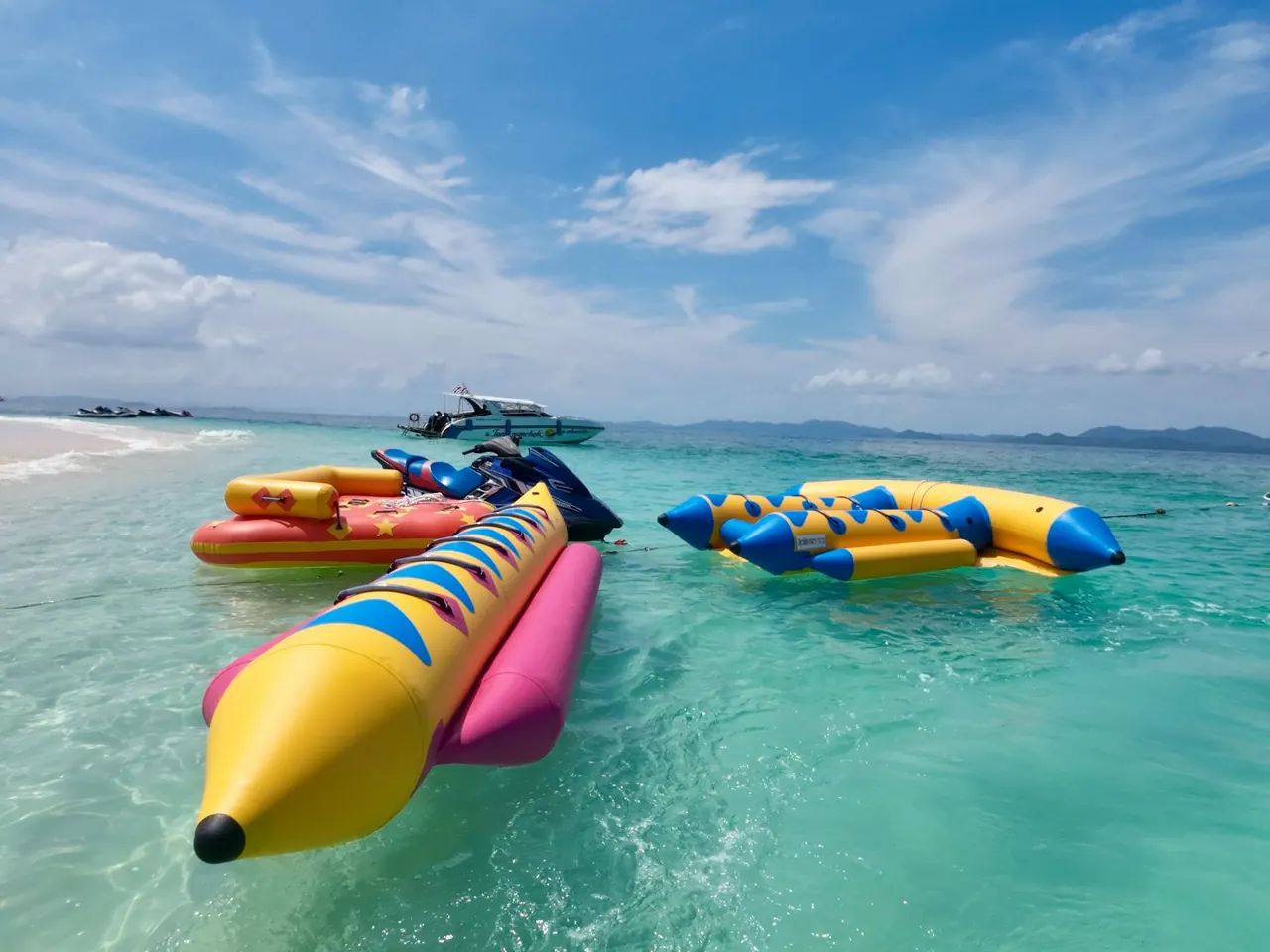
Banana Boat at Bai Sao: Prices and Booking
A banana boat ride at Bai Sao is listed at about USD 4 to 6 per person (guide range checked on 5 November 2026), for a ride of 10 to 15 minutes. Message us on WhatsApp for an exact quote.
Read → -
 Guides
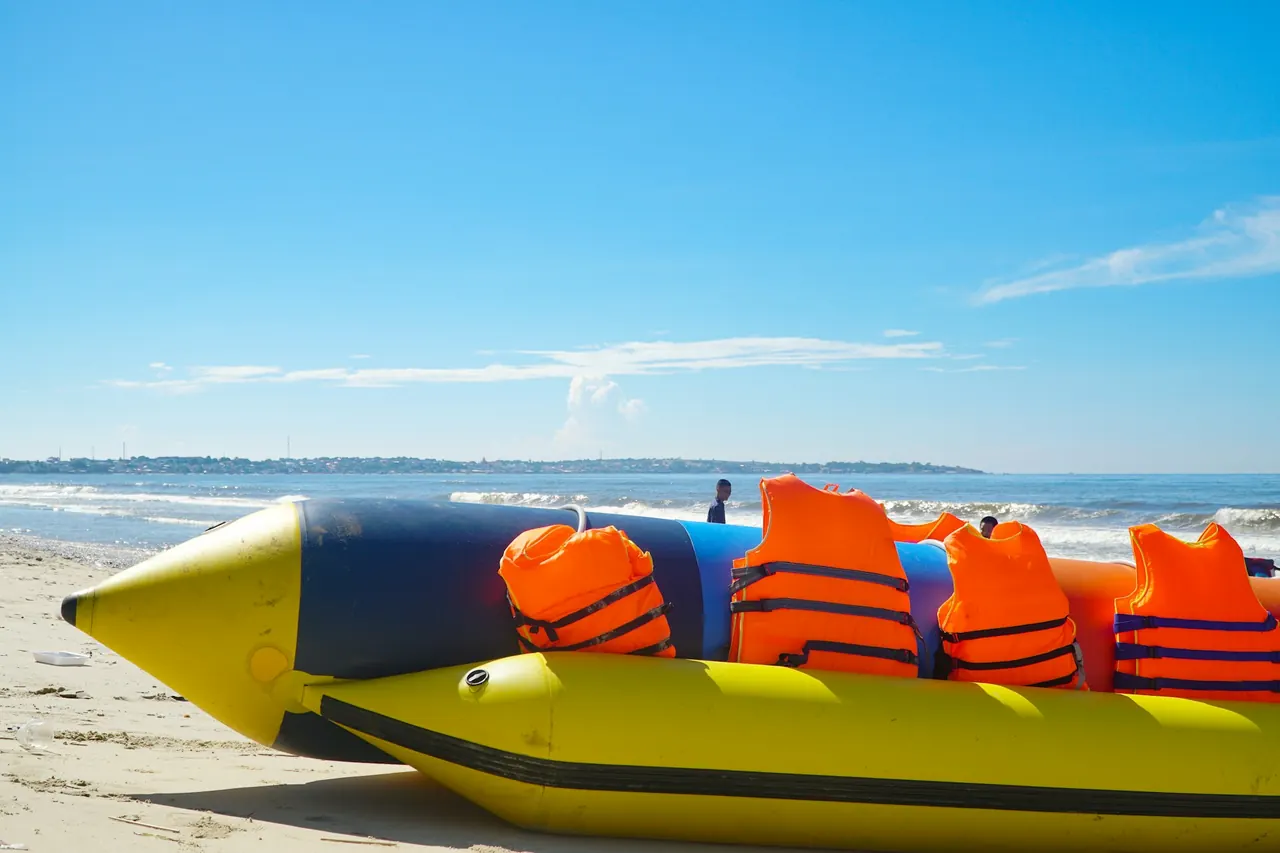
Banana Boat Duration, Height and Weight Rules
Most Phu Quoc banana boat rides last 10 minutes, with some guides listing 10 to 15 minutes. Riders must be adults or children aged 8 and older who fit the smallest life jacket. No fixed island-wide height or weight figures are published.
Read → -
 Guides
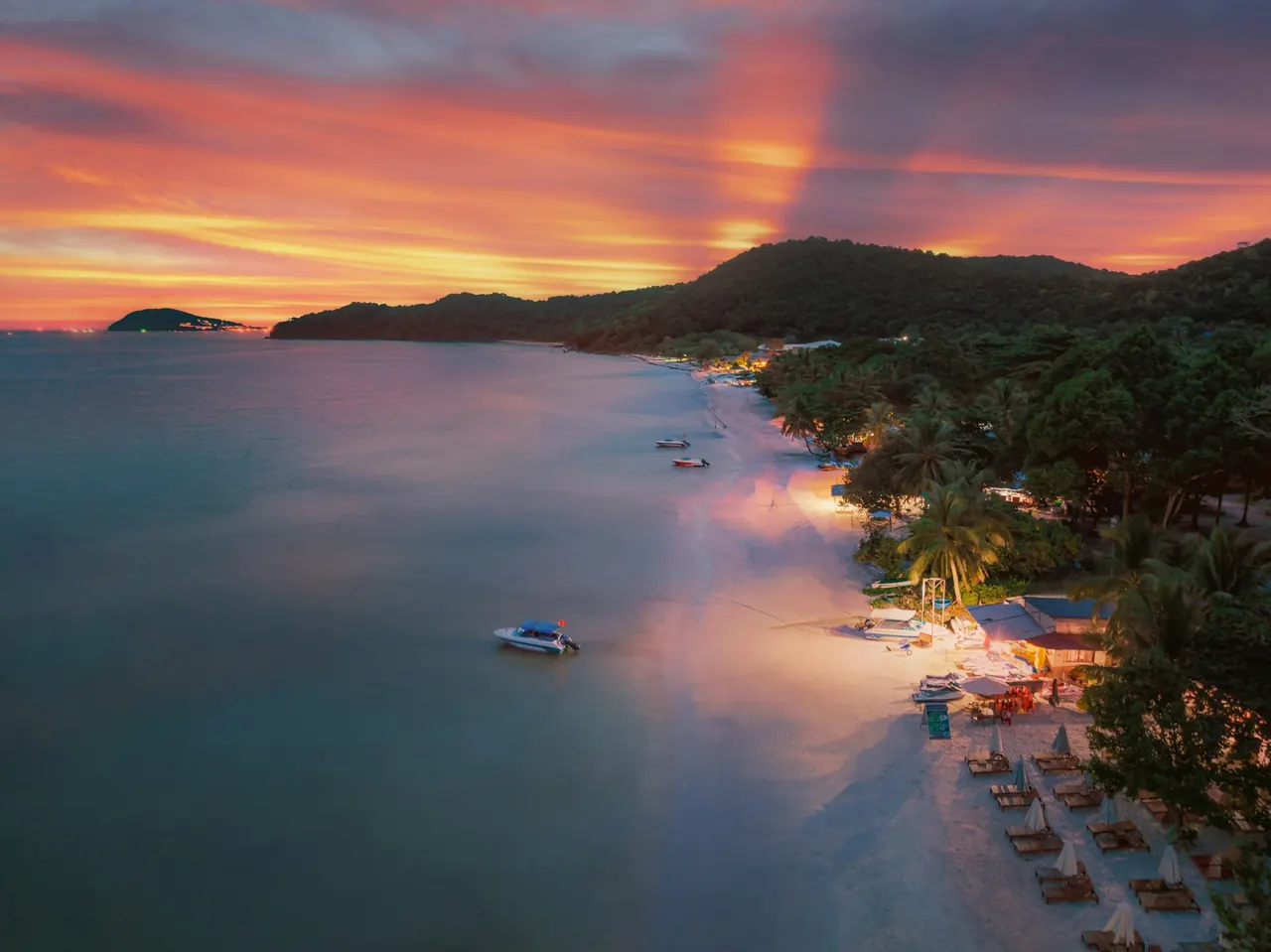
Best Time for Phu Quoc Water Sports
February is the best month overall. Choose November to April, especially February through mid-March, and go in the morning for calmer water. Avoid July to September for calm-water trips.
Read →